

Are You Really Saving Money on Pet Food?
The Real Cost of Feeding Your Pet
Kibble looks cheaper. Until you add everything else.
Most pet owners do not factor in supplements, vet visits, digestion support, and trial-and-error costs.
Try one box first. See the difference for yourself.

Cheap food gets expensive fast
Most pet owners compare food by bag price. But that is not how the real cost works.
What comes after the food often matters more: skin support, digestion support, repeat trial-and-error, and recurring fixes that quietly turn “cheap” into expensive.
- Supplements for skin, gut, coat, or joints
- Recurring digestion issues and tummy support
- Itching, allergies, and sensitivity-related spend
- Switching foods, toppers, and trial-and-error fixes
- Vet visits for issues that keep coming back
What does your pet actually cost you each month?
Plug in what you already spend. Then compare it to a Darwin’s estimate with 50% off your first box.
Enter your current routine
This is what you’re actually spending — not just food.
You may not be paying more for better food. You may be paying more to make cheaper food work.
Where your money actually goes
It is not just about what you spend. It is about what you get for it.
One bowl may look cheaper upfront. The other may give you more value in return.

Looks cheaper upfront
- Lower bag price
- Often paired with supplements
- Highly processed
- Hidden costs build over time
More value in every bowl
- Real meat and vegetables
- Moisture-rich and minimally processed
- Supports digestion and gut health
- 50% off makes trying it easier
Food + fixes
Lower upfront food spend can become food + supplements + tummy support + skin support + repeated trial-and-error.
More value in the bowl
More of your budget goes into feeding better in the first place, instead of layering on extra support later.
Sometimes the cheapest food costs more later
What looks like a small daily saving can show up elsewhere.
You’re not just paying for food
The real cost is not just what goes into the bowl. It is everything that follows.
- How well your pet digests it
- How often symptoms or issues come back
- How much you need to add on top
- What you are really getting for the money
Price
What you pay at checkout
Response
How your pet actually does on it
Digestibility
How much value the body gets
Add-ons
What you end up buying later
Try Darwin’s for 50% off your first box
You do not have to switch everything overnight. Just try one box and see how your pet responds.
- Try one box first
- See if your pet loves it
- See how they feel on it
- Use 50% off to make the first step easier
Fresh raw meals delivered frozen. Made with real meat, organs, and vegetables.

Questions people ask before they try
Is Darwin’s expensive?
With your first-box offer, it may be closer than you think. The bigger question is what you are already spending on top of the food you buy now.
Do I need to commit long term?
No. Start with one box and decide after. This page is about lowering the friction to try, not forcing a long decision up front.
What if my pet is picky?
Many pet parents start with a single plan first and see how their pet responds. That is exactly why the first-box offer matters.
Why compare more than food cost?
Because food is only part of what many pet parents end up paying. Supplements, support products, toppers, and recurring fixes can turn a lower bag price into a higher total cost.
Stop comparing bag price. Start comparing total cost.
Kibble may look cheaper at checkout. But once you factor in add-ons, support products, and recurring issues, the math changes fast.
It is not just about spending less.
It is about whether your money is going into feeding better or fixing what the food is not doing well enough on its own.
That is the difference this page is asking people to see.
Only the best quality real meat, portioned for your dog or cat. Delivered frozen.


Vet-formulated
By veterinary nutritionists

20+ years pioneering raw
The original raw delivery brand
Families fed to Millions of meals serve
Trusted by pet parents nationwide

Vet Access
Vet support during transition
Real Benefits, Visible Results
When you feel better, they live better

Better Digestion
Smaller, firmer stools and easier digestion with food your pet's body can actually use.

Shinier Coat
Real protein and natural fats support skin and coat health from the inside out.
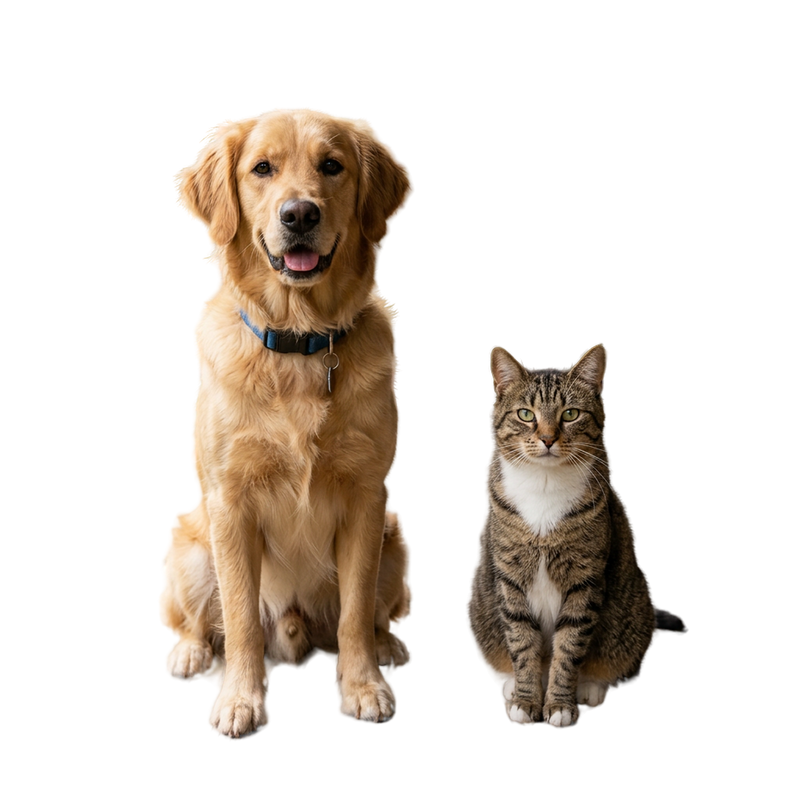

Portion-Personalized
Every meal plan is calibrated to your pet's age, weight, breed, and activity.

Mealtime Excitement
The first bowl is usually gone before you set the second one down.
Better Digestion
Smaller, firmer stools and easier digestion with food your pet's body can actually use.
Shinier Coat
Real protein and natural fats support skin and coat health from the inside out.
Portion-Personalized
Every meal plan is calibrated to your pet's age, weight, breed, and activity.
Mealtime Excitement
The first bowl is usually gone before you set the second one down.
Real Ingredients, Recognizable Names
Nothing to decode on the label
Real meat, real organs, real veggies. Every ingredient is one you can name without Googling.
How It Works
Fresh feeding, made simple.
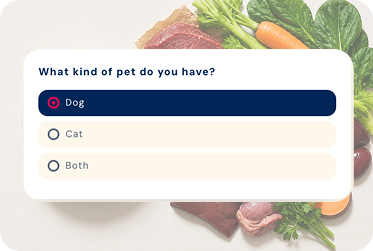
01
Tell us about your pet
Shinier Coat
Age, weight, breed, allergies — we use it all to build a plan made for them.
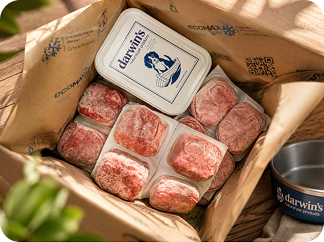
02
Check your doorstep
Frozen meals, delivered
Insulated, recyclable packaging.
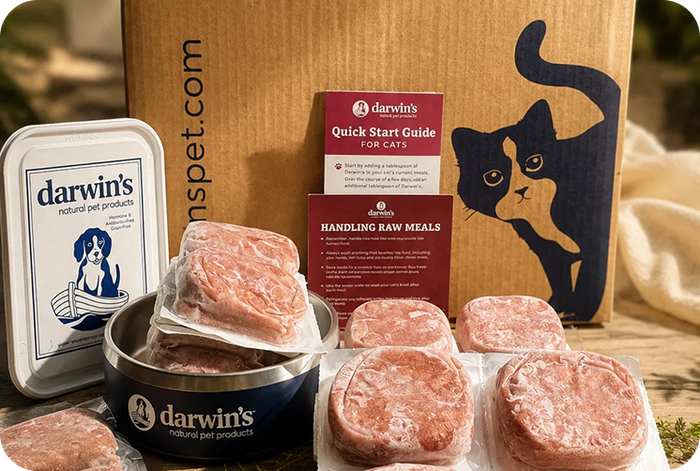
03
Watch them thrive
Bowl-ready in minutes
Thaw, peel, serve — and see the change start in week one.
The difference is is in the bowl


A Worry-Free Switch
The Transition Plan
Moving to raw can feel daunting, but it shouldn't be. Our transition guide takes your pet from kibble to raw in 10 days, and our on-staff vet experts are just a call away to support you.
- Excitement at mealtime
- Slight stool changes
- Smaller, firmer stools
- Improved appetite
- More energy
- Early coat improvements
- Consistent digestion
- Better breath
- Healthier coat and energy
Common Questions
First time feeding raw?
We've got you.
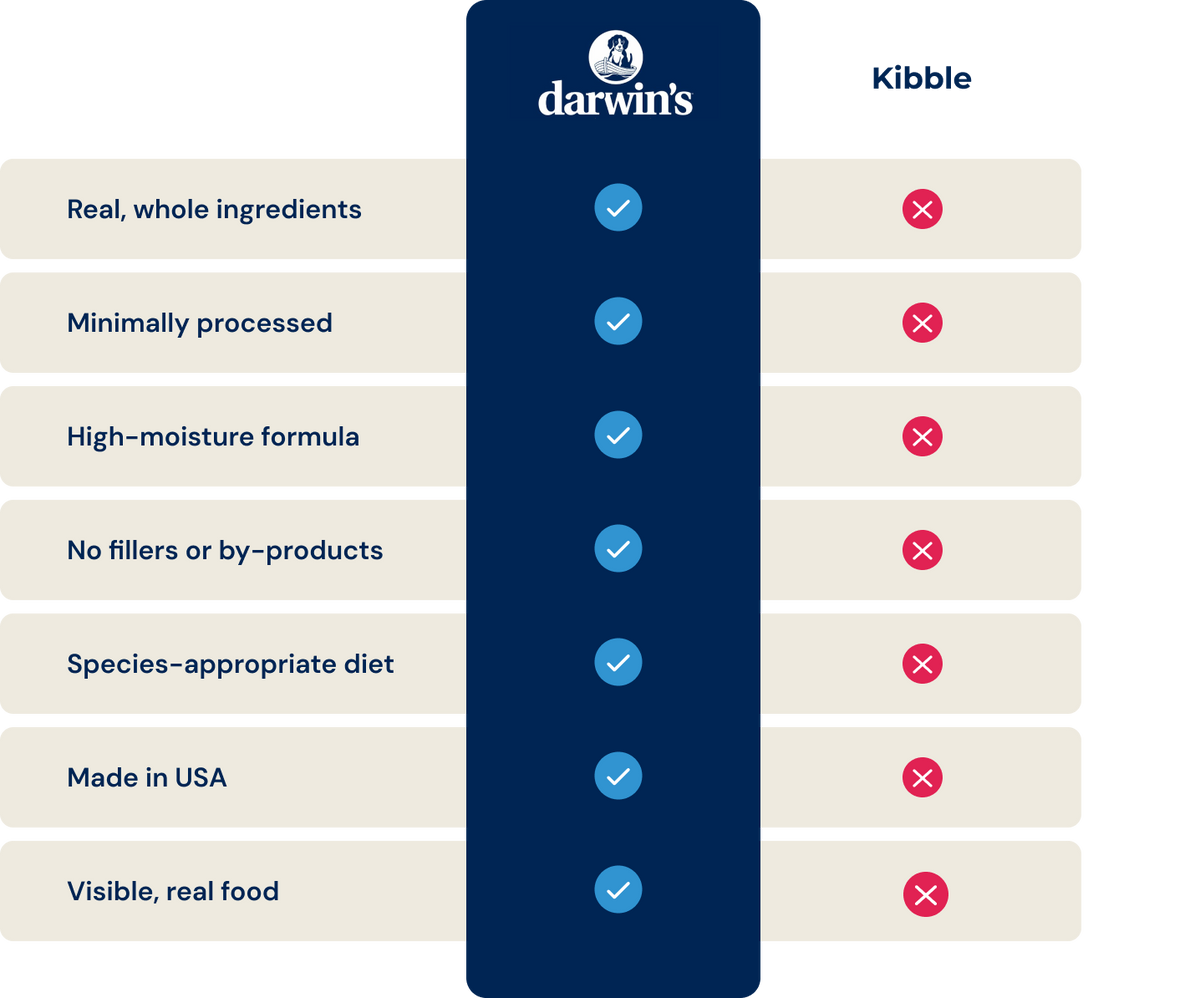
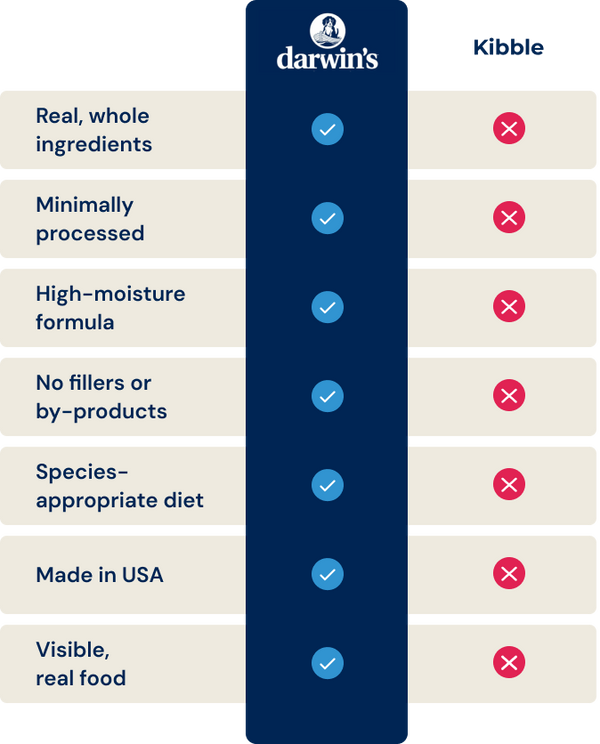
Why choose Darwin's?
Common Questions
First time feeding raw?
We've got you.
If your question isn't here, our customer care team is one tap away.
Yes! Darwin's raw food is handled with strict safety protocols and shipped frozen to maintain freshness.
Yes! Darwin's raw food is handled with strict safety protocols and shipped frozen to maintain freshness.
Yes! Darwin's raw food is handled with strict safety protocols and shipped frozen to maintain freshness.
Yes! Darwin's raw food is handled with strict safety protocols and shipped frozen to maintain freshness.
Yes! Darwin's raw food is handled with strict safety protocols and shipped frozen to maintain freshness.
Yes! Darwin's raw food is handled with strict safety protocols and shipped frozen to maintain freshness.