

01
Clear freezer space.
Your meals arrive frozen and stay frozen until the day before serving. Most plans fit comfortably in a standard freezer shelf, but it's worth shuffling things around before delivery day.
Your portion is set. Your plan is on its way. This page walks you through the 10-day transition, how to thaw and serve, what to expect each week, and what to do if something doesn't go quite to plan.
You've already made the hard decision. The rest is just rhythm.
The switch to raw is mostly about pace. Move too fast and your dog's digestion gets caught off guard. Move at the right pace and most of the discomfort never shows up in the first place.
Your meal plan already includes the right daily amount for your dog. What this page adds is the how: how to thaw, how to mix during the transition, what's normal in week one, and what's worth slowing down for.
Read it once now. Bookmark it for week one. Most dog parents come back to it around day four or five — that's exactly when it's most useful.
Nothing complicated. Just three small things to sort out before your delivery shows up so day one runs smoothly.
Your meals arrive frozen and stay frozen until the day before serving. Most plans fit comfortably in a standard freezer shelf, but it's worth shuffling things around before delivery day.
You'll thaw the next meal one day ahead in the refrigerator. A small designated shelf or container keeps things organized and away from anything else you're prepping.
You'll need a small amount of your dog's current food for the first nine days of mixing. Don't throw it out yet — the gradual handoff is what makes the transition smooth.
Tap any day to see how much Darwin's to feed, how much of your dog's old food to keep mixing in, and what's typical to notice along the way.
Introduction day. Your dog meets Darwin's for the first time. Many dogs sniff, hesitate briefly, then dig in. Stool may stay exactly the same at first.
The slow rhythm isn't extra. It's the difference between a smooth first week and the kind of digestive surprise that makes people wonder if they should slow down.
Once the transition is underway, daily feeding becomes muscle memory pretty quickly. Here's the rhythm to settle into.
The night before, move tomorrow's meal from the freezer to the refrigerator. Slow, steady thawing is safer and easier than countertop or warm-water shortcuts.
Treat thawed Darwin's the way you'd treat fresh meat. Keep it refrigerated, and only thaw what your dog will eat in the next couple of days.
Many dogs eat happily straight from the fridge. If you want to take the chill off, let it sit at room temperature for 10–15 minutes — skip the microwave.
Your daily amount is calculated for your dog's weight, age, and activity level — it's printed on your packaging and saved in your account. The chart on the right is a sanity check, not a starting point.
Every dog is different, but these are the rhythms most dog parents notice. If your dog is a few days ahead or behind, that's normal — bodies adjust on their own schedules.
Most dogs are curious or quietly excited. Some sniff, hesitate, then dig in. A few are immediate fans. A small number need a couple of meals to come around — that's normal.
Stool usually stays similar to before because Darwin's is still only a quarter of the bowl. You probably won't see much change yet, and that's the point. The pace is doing its job in the background.
At 50/50, the digestive system is doing more of the actual switching work. This is where you're most likely to see a brief stool change — looser, softer, or just different in look or smell. It's usually short-lived.
Many dogs also start showing more enthusiasm at mealtimes around now. The smell and texture of raw is a clear upgrade for most dogs.
By the back half of the transition, most dogs are fully on board with the food. Stools often become smaller, firmer, and less frequent — a sign the body is using more of what it's eating.
Some dogs also start drinking a little less water. Raw food carries its own moisture, so the body doesn't have to work as hard to balance hydration.
Once digestion is steady, the changes most people notice next are coat shine, energy, and body composition. Coats often look glossier within a few weeks. Some dogs seem lighter on their feet. Others just look more themselves.
These are also the changes that take a little longer to be obvious — they happen day by day, so they're easier to see in photos than in the mirror, so to speak.
By month two, raw is just what your dog eats. Most of the early adjustments have settled. You'll have your own thawing rhythm and freezer system. Most dog parents at this stage describe feeling more confident about what's in the bowl than they ever did with their old food.
The long-term things — skin, joints, allergies, weight management — show up gradually. Keep an eye on body condition every few weeks and adjust portions slowly when needed.
Almost every dog has some kind of small reaction during a diet switch. These are the situations we hear about most often and how to handle them.
What's happening: The gut is doing its biggest adjustment work right at the 50/50 mark. A short stretch of softer or looser stool — even a single very loose day — is one of the most common transition reactions.
What to do: Hold at the current ratio for an extra day or two before moving up. Make sure fresh water is always available. If it resolves within 24–48 hours, continue the transition. If it persists, slow the pace down further.
What's happening: Raw smells, looks, and feels different from kibble. Some dogs are immediately curious; others need a meal or two to be convinced.
What to do: Don't leave the bowl down for more than 15–20 minutes. Pick it up, refrigerate it, offer it again at the next meal. Letting hunger build naturally usually solves it. Avoid adding warm water, broth, or toppers — they can teach a dog to wait for the upgrade.
What's happening: A single vomit during a diet change isn't unusual — eating too fast, food temperature, or just a body adjusting to something new. It's not automatically a reason to worry.
What to do: Watch the next meal closely. Serve it slightly chilled (not cold) and a little smaller than usual. If your dog vomits again the same day, or seems lethargic, pause the transition and call your vet.
What's happening: A brief uptick in licking or scratching during a transition can sometimes reflect the body shedding things it wasn't loving before. It often settles within a week or two.
What to do: Keep things consistent and don't add new treats or toppers during this window. If itching is intense, the skin looks irritated, or it lasts longer than two weeks, that's worth a vet conversation.
What's happening: Raw food is roughly 70% moisture compared to kibble's 10%. Your dog is still getting plenty of water — just more of it from the bowl directly.
What to do: Keep fresh water available as usual, but don't worry if intake drops. If your dog seems lethargic, has dry gums, or shows other signs of dehydration, that's a separate issue and worth a vet check.
What's happening: Many dogs find raw genuinely more exciting than what they were eating before. A new level of mealtime enthusiasm — fast eating, more food-focused behavior — usually shows up around days 3–5.
What to do: A slow feeder bowl or a lick mat helps if your dog inhales meals. Keep mealtimes calm and predictable, especially in multi-dog households, so the excitement doesn't tip into tension.
Raw dog food isn't fragile, but it deserves the same care you'd give the chicken in your own fridge. A few simple habits keep things safe and easy.

The questions dog parents ask most often in week one, answered straight.
Some dogs handle a quicker switch just fine, but the 10-day pace is built around the average dog's digestion. Going faster makes loose stool and refusals more likely. If your dog seems to be sailing through, you can move up a day early — just don't skip phases entirely.
Yes — same bowl, mixed together. It keeps your dog from picking out only the Darwin's and leaving the rest. The mixing itself is part of how the digestive system adapts gradually.
Very common. Raw is meaningfully more exciting than what most dogs were eating before. A slow feeder bowl or lick mat helps if it's making mealtimes feel frantic, but on its own, fast eating isn't a problem.
During the transition, mixing in the same bowl works better than alternating meals — it helps the digestive system adapt steadily rather than swinging between two very different foods. After the transition, some people do split-feed long-term; that's a separate choice and worth thinking through deliberately.
Not yet. Pick the bowl up after 15–20 minutes and try again at the next meal. Don't add toppers or warm water — let hunger do the convincing. If your dog refuses two meals in a row, slow the transition down (try 90/10 instead of 75/25) and give a couple of extra days.
Digestion settles first, usually within 10–14 days. Coat shine and energy show up over weeks 2–4. Long-term things like body condition, skin, and stamina build over months. You probably won't notice the day it happens — more often you'll look at an old photo and realize how much has shifted.
If your dog has known sensitivities, take the transition slower than the default 10-day plan — try 14 or even 18 days. Stick to one protein at a time while you're watching for reactions. If a known allergen is involved, your meal plan should already be matched to a safer protein.
Most transition questions are quick to answer. Our team has talked thousands of dog parents through the first two weeks, and we're happy to help with yours.
Talk to a real person. Good for portion adjustments, transition concerns, or anything urgent.
Searchable articles on shipping, storage, transitions, common issues, and account questions.
Only the best quality real meat, portioned for your dog or cat. Delivered frozen.


Vet-formulated
By veterinary nutritionists

20+ years pioneering raw
The original raw delivery brand
Families fed to Millions of meals serve
Trusted by pet parents nationwide

Vet Access
Vet support during transition
Real Benefits, Visible Results

Better Digestion
Smaller, firmer stools and easier digestion with food your pet's body can actually use.

Shinier Coat
Real protein and natural fats support skin and coat health from the inside out.
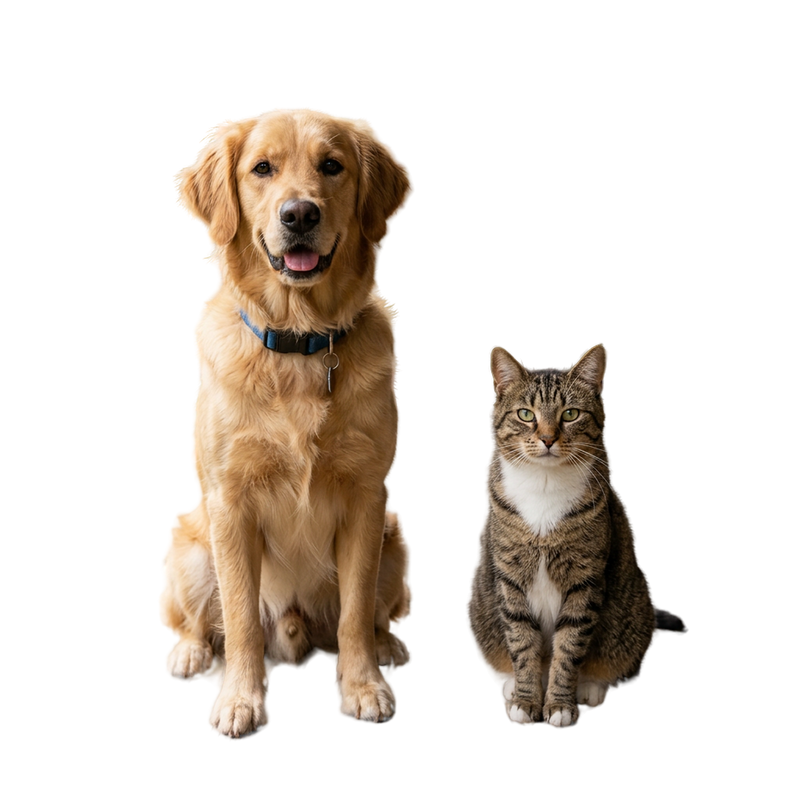

Portion-Personalized
Every meal plan is calibrated to your pet's age, weight, breed, and activity.

Mealtime Excitement
The first bowl is usually gone before you set the second one down.
Better Digestion
Smaller, firmer stools and easier digestion with food your pet's body can actually use.
Shinier Coat
Real protein and natural fats support skin and coat health from the inside out.
Portion-Personalized
Every meal plan is calibrated to your pet's age, weight, breed, and activity.
Mealtime Excitement
The first bowl is usually gone before you set the second one down.
Real Ingredients, Recognizable Names
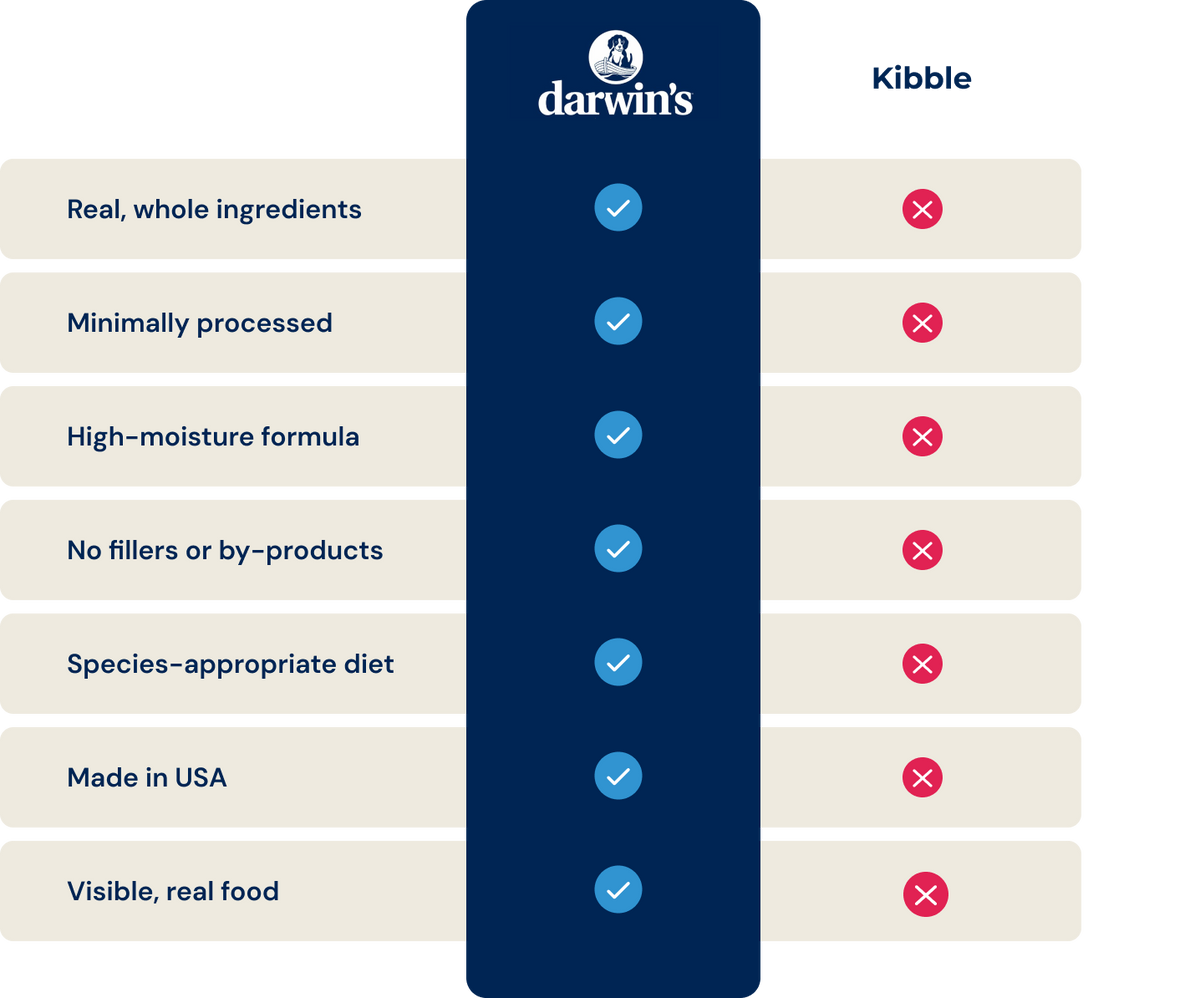
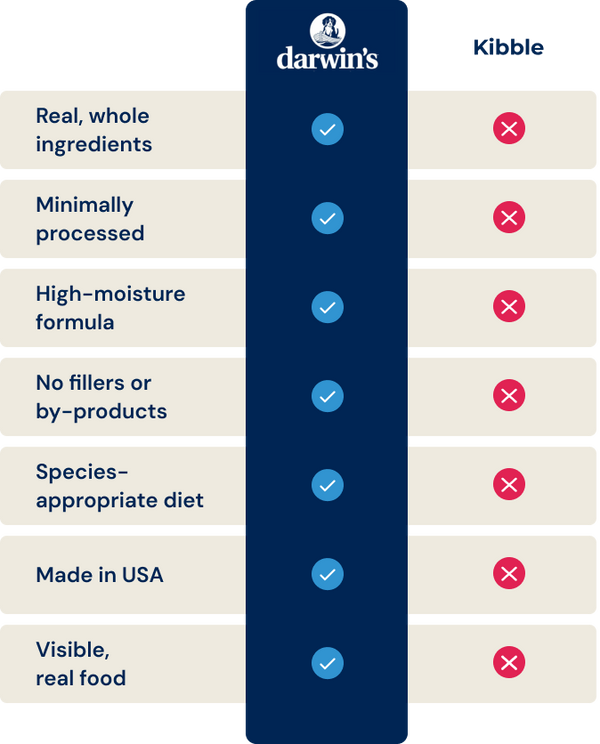
Real meat, real organs, real veggies. Every ingredient is one you can name without Googling.
How It Works
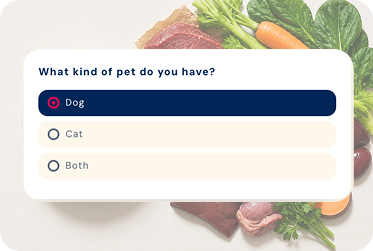
01
Tell us about your pet
Shinier Coat
Age, weight, breed, allergies — we use it all to build a plan made for them.
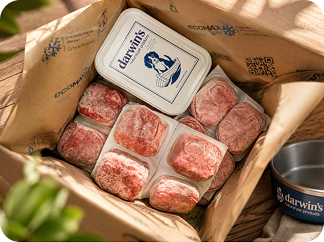
02
Check your doorstep
Frozen meals, delivered
Insulated, recyclable packaging.
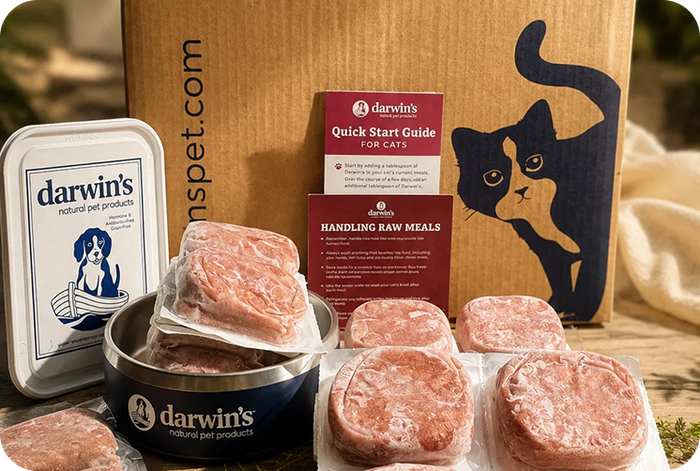
03
Watch them thrive
Bowl-ready in minutes
Thaw, peel, serve — and see the change start in week one.


A Worry-Free Switch
Moving to raw can feel daunting, but it shouldn't be. Our transition guide takes your pet from kibble to raw in 10 days, and our on-staff vet experts are just a call away to support you.
Common Questions
First time feeding raw?
We've got you.
Common Questions
First time feeding raw?
We've got you.
If your question isn't here, our customer care team is one tap away.
Yes! Darwin's raw food is handled with strict safety protocols and shipped frozen to maintain freshness.
Yes! Darwin's raw food is handled with strict safety protocols and shipped frozen to maintain freshness.
Yes! Darwin's raw food is handled with strict safety protocols and shipped frozen to maintain freshness.
Yes! Darwin's raw food is handled with strict safety protocols and shipped frozen to maintain freshness.
Yes! Darwin's raw food is handled with strict safety protocols and shipped frozen to maintain freshness.
Yes! Darwin's raw food is handled with strict safety protocols and shipped frozen to maintain freshness.